
The Allure of Chance
The fundamental appeal of casino games lies in the thrill of chance. The unpredictability of outcomes engages players’ emotions, often triggering a rush of adrenaline when stakes are high. This excitement is often driven by the possibility of winning, which can create a powerful psychological response. Many players may feel a sense of euphoria, especially when they experience a win, reinforcing their desire to take part in more games, including those found at neosurf online casino , where the cycle of anticipation and payoff plays a critical role in making gaming an attractive pastime.
Moreover, the anticipation of a potential win taps into fundamental psychological principles like variable rewards. When players engage in activities where outcomes are unpredictable but rewarding, the brain releases dopamine, a neurotransmitter associated with pleasure and reinforcement. This biological response not only keeps players coming back for more but also forms a pathway in their brains that links gambling with excitement, making it difficult for some people to resist the urge to play.
In addition, the design of many casino games is crafted to enhance this thrill. From flashing lights to enticing sounds, casinos use sensory stimulation to create an immersive environment that amplifies the dopamine rush. This design encourages people to stay longer and engage more deeply with the games, often blurring the lines between enjoyment and addiction. The atmosphere itself becomes a crucial factor in retaining players, compelling them to partake despite any rational reservations about the risks involved.
The Role of Cognitive Biases
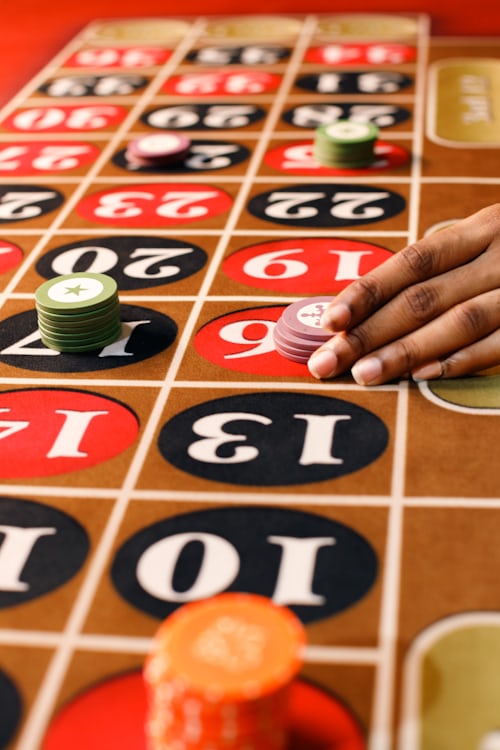
Cognitive biases significantly influence how players perceive odds and make decisions at the casino. One common bias is the gambler’s fallacy, where individuals believe that past outcomes will affect future events. For example, if a player sees a particular number has not come up in a roulette game, they may irrationally believe that it is due to appear soon. Such misconceptions can lead to misguided strategies and increased betting, as players attempt to defy odds based on flawed reasoning.
Another relevant cognitive bias is the illusion of control, where individuals believe that they can influence the outcomes of games based on skill or strategy, even in predominantly chance-based scenarios. For instance, a player might feel that their betting patterns or rituals can sway the results of a game, despite the underlying randomness. This sense of control can provide players with a false confidence, leading them to take greater risks and potentially suffer significant financial losses.
These biases create a cocktail of emotions and thoughts that can trap players, making it hard for them to process their experiences objectively. Instead of focusing on the mathematical probabilities, players often rely on emotion-driven thinking. This emotional investment in the games serves to heighten their psychological involvement, further entrenching them in the gambling experience as they hope for a change in fortune that is unlikely to occur.
The Impact of Environment on Behavior
The physical environment of a casino is no accident; it is meticulously designed to enhance the gambling experience. Factors such as lighting, layout, and even temperature are tailored to keep players engaged and spending. For instance, brightly lit areas filled with sounds of laughter and clinking coins create an inviting atmosphere, encouraging players to enter and play. Additionally, the absence of clocks and windows fosters a disconnection from reality, allowing individuals to lose track of time as they immerse themselves in games.
Moreover, casinos often employ strategically placed amenities like bars and dining options to entice players to extend their stay. By offering free drinks or complimentary meals, they create a sense of loyalty and encourage players to bet more. This serves to reinforce the notion that gambling is not just about winning money but also about a unique, enjoyable experience, which can be psychologically enticing. The result is an environment designed to blur the line between leisure and risk, compelling patrons to partake in games for longer periods.
Another factor intertwined with the casino environment is the social aspect of gambling. Many people enjoy the camaraderie found in communal games, like poker, where interaction heightens the thrill of competition. The presence of other players can stimulate excitement and contribute to the experience, reinforcing social bonds and creating a shared narrative. This social reinforcement can further intensify the emotional investment in gaming, making individuals less willing to step away even when their gambling habits may become problematic.
The Chase for Reinforcement
The psychology of gambling is often dominated by the idea of reinforcement, which significantly affects players’ behavior. Many gamblers chase their losses in hopes of recouping what they have lost, a phenomenon driven by the desire to achieve balance or restore their prior standing. This mindset can lead to a dangerous cycle where players increase their bets, spiraling into deeper financial trouble. This pursuit of recovery is also fueled by the emotional highs and lows inherent in gambling, often leading to impulsive decisions based on temporary feelings rather than considered logic.

Additionally, the desire for reinforcement is not limited to financial gains. For some, the thrill of gambling becomes an intrinsic reward; the excitement of playing can be just as gratifying as winning. This can lead individuals to overlook rational thought and continue to gamble, motivated more by the experience than the monetary outcome. This pursuit can form a powerful psychological attachment to the games, leading to compulsive gambling behaviors that are challenging to break.
Understanding this chase for reinforcement highlights the need for awareness and responsible gambling practices. The emotional and psychological stakes are often high, with many individuals unaware of how deeply entrenched they can become in this cycle. Educating players about the risks and the psychology behind their behaviors can empower them to make more informed decisions, potentially mitigating the negative impacts of gambling and fostering healthier habits.
Understanding Casino Psychology Through Research
Research into gambling psychology has revealed insights that can help understand why individuals become drawn to casinos and games. Studies have shown that players exhibit varying motivation levels and psychological responses based on their backgrounds, experiences, and expectations. For example, those predisposed to thrill-seeking may be more likely to engage in high-risk betting than those who approach gambling with caution. Understanding these differences can aid in developing more effective prevention strategies for problematic gambling.
Additionally, psychological studies have identified various profiles of gamblers, from social bettors who play for enjoyment to serious gamblers focused solely on winning. Each profile exhibits unique behaviors and motivations, which can impact how they interact with games and the casino environment. By recognizing these distinctions, casinos and regulatory bodies can create tailored interventions that address the specific needs and challenges of different types of gamblers.
Research also emphasizes the importance of fostering a supportive environment where players can access resources and educational tools regarding gambling. Informing players about risk factors and responsible gambling practices is vital in creating a healthier gambling culture. Ultimately, as insights into gambling psychology evolve, they can be harnessed to improve player experiences and reduce instances of harm within the casino landscape.