
The Concept of Luck in Gambling
Luck is often perceived as an enigmatic force that can tip the scales in favor of players or against them in various gambling scenarios. Many individuals who frequent casinos attribute their wins or losses to luck, treating it as an external variable they can neither control nor predict. This belief can serve as a psychological crutch, allowing players to rationalize their outcomes by attributing them to luck rather than skill or strategy. For those seeking to maximize their chances, the best online casino experience combines both luck and skill, ensuring that players enjoy a thrilling game while still balancing risk and reward. In essence, luck can be a double-edged sword; it can ignite a winning streak or lead to devastating losses.
When we delve deeper into the concept of luck, it becomes apparent that many games of chance, such as slot machines, roulette, or even dice games, are inherently designed with randomness in mind. The outcomes of these games are typically governed by random number generators or physical mechanisms aimed at ensuring fairness and unpredictability. While a player may feel fortunate after hitting a jackpot, their success may often be a matter of statistical probability rather than an indication of favorable luck. It’s essential to recognize that luck plays a part in the immediate experience but is often overshadowed by the statistical realities of the games.
On the other hand, skill-based games like poker or blackjack allow players to exert some control over their fate, which can mitigate luck’s influence. In these games, a player’s understanding of strategy and probabilities can significantly enhance their chances of winning. While luck may still factor in the short term, seasoned players understand that skill often emerges victorious over chance in the long run. Thus, the interplay between luck and skill creates a complex landscape for players navigating their gambling experiences.
The Role of Psychological Factors
The psychological dimension of gambling is a crucial aspect when assessing how luck influences casino outcomes. Cognitive biases, such as the gambler’s fallacy, can lead players to believe that previous results can impact future outcomes. For instance, a player who has experienced a string of losses might convince themselves they are “due” for a win, prompting them to engage in riskier betting behaviors. This psychological trap intertwines the concepts of luck and gambling, ultimately impacting decision-making processes and overall gameplay.
Additionally, the emotional responses tied to gambling cannot be overlooked. Winning can provoke feelings of elation and invincibility, while losing can lead to frustration and despair. These emotional highs and lows significantly affect how players approach subsequent bets, often leading them to believe they possess greater control over their luck than they genuinely do. This is illustrated by players who may adopt superstitions, such as wearing a “lucky” shirt or carrying a specific item that they associate with past successes, in hopes of enhancing their luck.
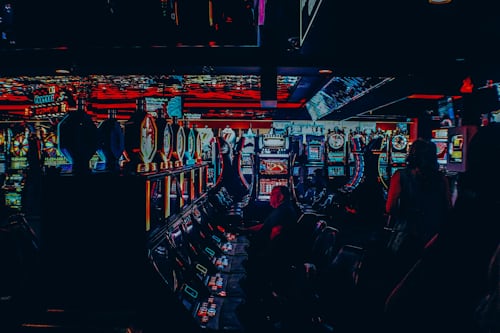
The social dynamics of gambling also play a significant role in shaping perceptions about luck. Observing fellow players’ experiences can foster a communal sense of shared fortune or misfortune, reinforcing the psychological narratives that luck is a player-driven force. This social reinforcement can lead to collective beliefs in certain rituals or practices thought to enhance luck, underscoring how deeply embedded these notions are in gambling culture. Ultimately, the psychological factors involved in gambling create a rich tapestry of experiences shaped by personal beliefs and social interactions.
The Influence of Probability and Odds
In the world of gambling, grasping the concepts of probability and odds is fundamental for understanding the extent to which luck influences outcomes. Each game has its built-in odds that dictate the likelihood of various outcomes. For example, slot machines typically possess a higher house edge, meaning that, over time, players are statistically more likely to lose than win. This mathematical reality starkly contrasts with the emotional beliefs in luck that many players cling to during their gaming experiences.
While luck can yield momentary victories, the overarching outcomes are often governed by the house edge, which inherently favors the casino. This is particularly evident in games like roulette, where the odds are decidedly against the player. Here, luck plays a minimal role in developing consistent winning strategies, as understanding the mechanics and odds becomes far more critical to a player’s potential success than relying on luck alone. Consequently, players must acknowledge the importance of strategies that are grounded in probability rather than chance.
Moreover, the concept of variance is essential in understanding the nature of gambling outcomes. Variance refers to the fluctuations in results that can occur over a short timeframe, which may be misinterpreted as luck. A player might enjoy a streak of wins or losses purely due to variance, rather than skill or favorable luck. This emphasizes the need to differentiate between luck and strategy in various gambling contexts; while luck can influence short-term results, it cannot alter the fundamental probabilities that govern the game in the long term.
Strategies for Managing Expectations
Given the unpredictable nature of gambling, it is vital for players to manage their expectations concerning luck and outcomes. Setting realistic goals and gaining a deeper understanding of the probability of winning can help mitigate the emotional rollercoaster often associated with gambling. Players who approach casinos with a clear sense of their limits are less likely to chase losses, a behavior often triggered by the belief that their luck is about to change. This understanding can help foster a healthier relationship with gambling.
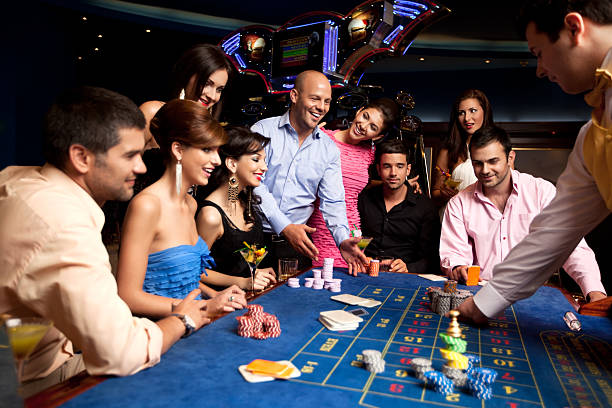
Additionally, developing a strategic approach to gambling can assist players in emphasizing skill over luck. Whether it involves mastering the intricacies of poker or learning effective betting strategies for blackjack, having a well-thought-out game plan can shift a player’s mindset from one of passive expectation to proactive engagement. This empowerment enables players to reduce their reliance on luck and promotes a more responsible and enjoyable gambling experience overall.
Ultimately, educating oneself about the nuances of gambling, its odds, and the inherent risks involved can significantly influence outcomes more effectively than simply hoping for a lucky break. Understanding the mechanics of the games, practicing sound bankroll management, and knowing when to walk away can profoundly impact how players enjoy their time at the casino, contributing to a more rewarding experience overall.
Embracing the Experience at Casinos
While luck undoubtedly plays a role in casino outcomes, it represents just one element of a larger experience. Casinos are designed not only for wins and losses but also for creating an entertaining environment for players. The thrill of taking risks, engaging in social interactions, and savoring the joy of play are all intertwined with the concept of luck. Embracing these aspects can significantly enhance a player’s overall enjoyment of the gambling experience, irrespective of the outcome.
Moreover, casinos often cultivate environments that encourage players to immerse themselves in the games, offering promotions, events, and bonuses that can further enhance their overall experience. While the allure of luck is compelling, recognizing that the journey of playing is as significant as the potential for winning can help maintain a well-rounded perspective. This mindset allows players to appreciate the entertainment value of gambling rather than focusing solely on the end results.
In conclusion, the intricate relationship between luck and skill in gambling is multifaceted. While luck can influence short-term outcomes, a clear understanding of probabilities, psychological factors, and strategic approaches tends to dictate results in the long run. By embracing the comprehensive experience that casinos offer, players can find enjoyment in the game, regardless of whether luck is on their side.